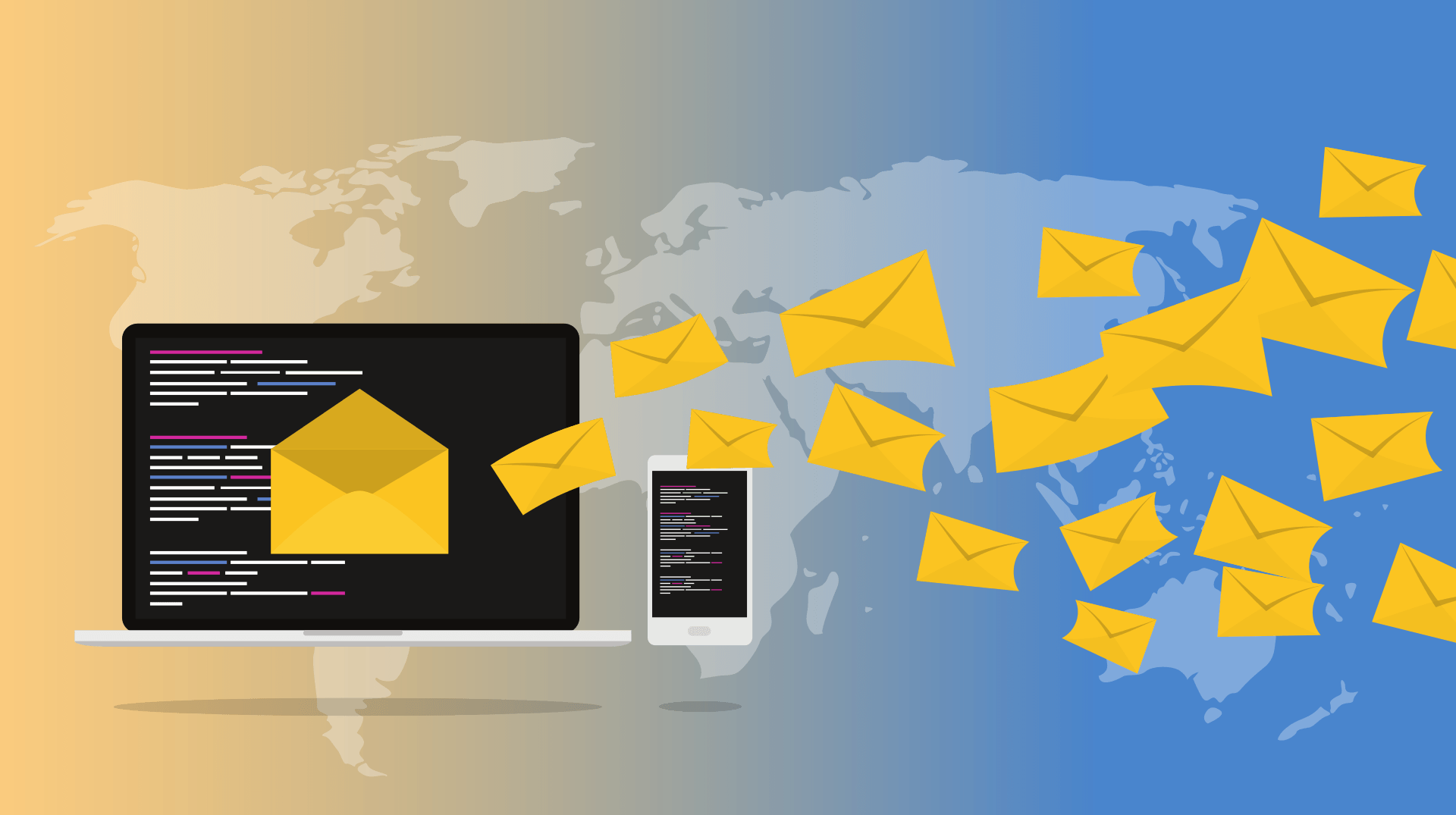
Usually, when we get a promotional email, our first (and only) instinct is to send it straight to the trash. We tend to subscribe to countless newsletters that we end up never reading.
If we want to add an email marketing campaign to our strategy, we need to understand the reality of promotional emails and where they almost always end up. But there are ways to turn things around and use email to power your company’s marketing efforts.
To help, we’ve put together a list of 10 steps for creating an effective email marketing campaign that doesn’t end up in your subscribers’ spam folder:
1. Set goals.
Setting goals is the golden rule for any kind of project, from marketing strategies and business plans to mass email campaigns.
To start off on the right foot, decide what you want to achieve with your email marketing campaign. Some of these goals might be:
- Generating more conversions
- Attracting more subscribers
- Keeping your subscribers
- Segmenting your audience
- Improving engagement with your brand
- Driving more traffic to your website
All of these goals are valid and will guide your content creation process, content you can then share through a tool as useful as email.
2. Know your audience.
Knowing your goals is important, and knowing your audience is just as necessary.
When we know who we’re talking to, we can structure our message better. That way, getting it across won’t be hard at all, and it’ll make the impression we want.
Start by using tools like Google Analytics to analyze your audience types and split them into specific groups you want to address. With Google Analytics, you can segment by age, gender, country and more, so you’ll know what to say, how to say it and when to say it.
3. Build a subscriber list.
You may already have a long list of emails from some customers or potential customers, but if you want your email campaign to be truly effective, never stop adding people to that list.
If you have a sign-up box on your website, make sure its goal is to grow your subscriber list. Another option is to create non-intrusive subscribe buttons and add them to your blog, home page and anywhere else they fit without making visitors feel harassed.
Remember that the text in your sign-up box should clearly spell out what users will get if they subscribe to your newsletter.
4. Learn the different types of email.
There are several types of email you can send, and it’s important to know what each one is for, so you can use the right one for each situation.
- Promotional email: these emails are informational or promotional and are usually sent to people who asked to stay up to date, such as customers, sellers, affiliates and reporters. Their content varies, from announcements to surveys.
- Transactional email: when customers take an action on your website or social media profile, a transactional email is triggered. These range from welcome messages and order numbers to sign-up or purchase confirmations.
- Operational emails: these are short notices you can send your customers about company operations that affect them directly, like a temporary closure, website maintenance or a platform change.
5. Personalize.
For a brand’s marketing to succeed, it needs to build trust with its audience, and it won’t do that by interacting with people like a robot.
The same goes for email campaigns. Try to send personalized emails that include the subscriber’s name, so they feel part of your brand and come back for any product or service with your name on it.
Today, many mass email tools let you add a code that’s replaced with the recipient’s name.
6. Make your subject lines irresistible.
Use copywriting techniques to create subject lines people can’t resist. Creative subject lines are short, get to the point and always include some kind of benefit for the user.
You can get the highest click rates if you know how to use words to persuade your customers or prospects that your newsletter is worth opening.
7. Include links and calls to action.
Most brands that run email marketing campaigns do it to drive traffic to their website or a specific landing page.
If you want users to click, include compelling calls to action. Take care with the text and design of your CTA button, and pay special attention to the color combination and the typography you use for the message.
8. Send at the right times.
Studies have shown that the hours with the highest email open rates are between 8:00 p.m. and 12:00 a.m. Not only that, the highest sales rates also happen during those hours.
So if you want to send an offer or special promotion, it’s a good idea to do it at night, so users have the chance to click and go straight to the purchase page.
9. Make it easy to unsubscribe.
If subscribers want to remove their name and email from your list, make it easy for them.
If they want to unsubscribe and can’t find the option, they may mark your email as spam, which could hurt you down the line.
Just let them know you’re sorry to see them go, and invite them to share their feedback so it can help you improve your campaigns later.
10. Create emails with responsive design.
66% of emails are opened on a smartphone or tablet. Based on the stats, or just common sense, you can see that responsive design for your emails is a must, and they need to adapt to any device.
Your email marketing campaign can become the most powerful tool in your brand’s arsenal. Through something as personal as email, you can speak directly to your customers and strengthen relationships, while reminding prospects that you’re there for them anytime.