Today, whether you have a small business, an online store or a physical store, whether you’re an entrepreneur or simply want to build your personal brand, if you want more online presence, you need to focus your efforts on ranking in the digital world.
The digital world lets you promote your business or brand successfully at a very low cost, but it takes a lot of consistency. On top of that, the techniques for ranking your name online change every day and aren’t an exact science.
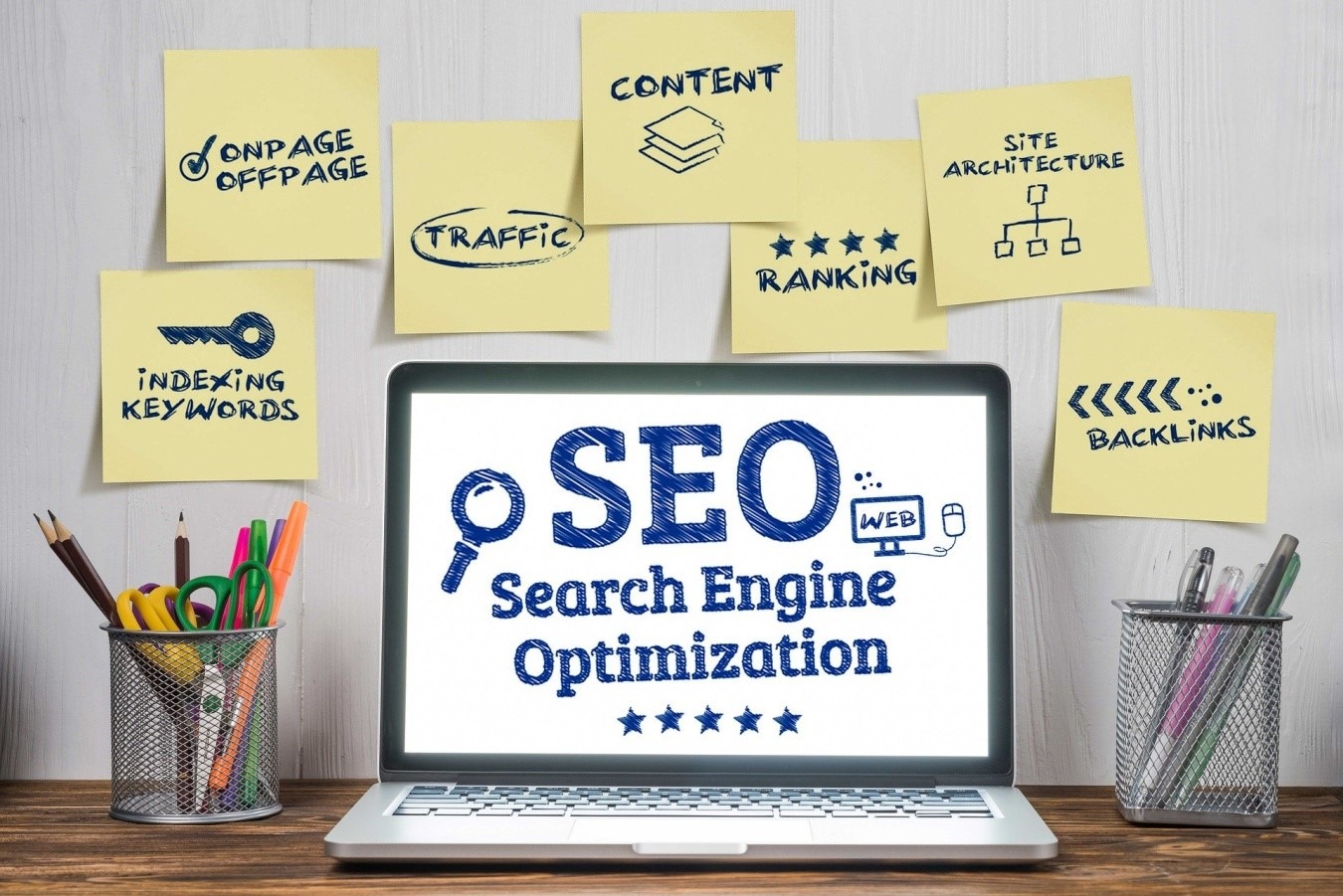
One of the most dynamic and challenging practices for staying relevant online is your SEO, or search engine optimization, strategy.
SEO is one of the most effective ways to drive large amounts of traffic to your website and rank on the first pages of search engines like Yahoo!, Bing and Google.
It’s also true that people make many mistakes when applying it, mistakes that end up hurting their online presence and that we need to avoid if we want to improve. Here are some of them:
1. Not paying attention to search intent.
In your SEO strategy, a good piece of content doesn’t automatically mean more traffic to your website. You need to pay attention to what users intend when they search for information.
Search intent is about what users want to ask versus what they actually type, and your content’s job is to pick up on that intent so it can offer a solution to their problem.
For example, if a user searches for “digital marketing,” we can assume they want to know what digital marketing is. But if they search for “digital marketing services,” they may want to hire professionals in this field or offer marketing services themselves.
2. Using too many keywords.
Keyword stuffing, or overusing keywords, is defined by Google like this: “…the practice of loading a webpage with keywords or numbers in an attempt to manipulate a site’s ranking in Google search results. Often these keywords appear in a list or group, or out of context (not as natural prose). Filling pages with keywords or numbers results in a negative user experience, and can harm your site’s ranking. Focus on creating useful, information-rich content that uses keywords appropriately and in context.”
When you include keywords in your content, make sure they flow naturally with your writing and don’t look forced. Nobody wants to read words that make no sense, and too many keywords will also get your website penalized.
To avoid this, add your main keyword (long or short) to your headline and first and second paragraphs, then repeat it no more than 1 or 2 more times throughout the text.
3. Lack of on-site SEO.
On-site optimization covers every element on your website you should apply SEO to: meta descriptions, titles, alt attributes and so on.
Ideally, add your main keyword and at least one secondary keyword to your website’s description and URL, so search engines and users can find it more easily.
4. Content without value.
According to Moz, the ideal article length is 1,000 words. But creating quality content that adds value and genuinely helps and informs your audience doesn’t depend only on word count.
A valuable article communicates a message to its audience, educates them and helps them understand or solve a specific problem. To create value, you just need to know who you’re talking to, and from there you can create content your target audience cares about.
5. Lots of broken links on your site.
Broken links on your site don’t just disappoint the users who click on them. They also disappoint “Googlebots,” Google’s crawlers that go from link to link collecting data and rating your website negatively when they find one that doesn’t work.
To avoid broken links, update your content regularly and audit each post to check that external links still work. If they don’t, replace them with similar ones or rewrite that part of your article.
6. Focusing only on written content.
A website is 53% more likely to reach the first page of Google results if it includes a video (Insivia).
You’ve surely noticed that visual content is one of the most popular formats and that people online would rather watch a video than read a blog post. Video is also one of the easiest ways to consume content, since it turns dense topics into entertaining, digestible pieces.
Videos also show up in search results, which is why you should optimize every audiovisual element in your content strategy. Plus, videos take less time than text to show up in Google’s rankings.
Podcasts are another type of content Google has started taking into account when ranking pages, which is one more reason not to focus only on writing articles, but also on creating valuable audiovisual content.
Now that you know the mistakes to avoid in your SEO strategy, you can start keeping up with new techniques. And remember: what matters most will always be creating content for users, who are the ones who will ultimately buy and increase your ROI.