Thanks to the rapid advances in the digital world, many processes in our lives have changed, from how we do our jobs and everyday activities to how we communicate.
Communication is where most of the biggest changes have happened. Language and its rules have adapted to the technological needs and updates that happen every day, to the point that elements we never used to think twice about now matter.
The hashtag is one of them. The # symbol has become so important with the rise of social media that it’s hard not to associate it with these platforms. In fact, although its use goes back much further, it’s in the social media era that the hashtag has really taken center stage.
If you still have doubts about why hashtags matter and how to use them, or simply don’t know what they’re for, it’s worth reviewing some important rules for using hashtags well on social media:
Searchable links.
The # turns any word or group of words that follows it into a searchable link. That organizes content and makes it possible to follow specific topics through keywords. A good example is reporting on an event: say there’s a tragedy in Santiago, Chile. #SantiagoTragedy could very likely go viral to group all the information related to the event, so anyone interested could quickly find every tweet talking about the accident at that moment.
– Allowed characters.
Spaces aren’t allowed in hashtags. So if you want to create a tag with several words, you need to write them all together, with no punctuation separating them. Capital letters are allowed, so you can use them to separate words. Accented letters and numbers are also allowed.
– Great for expressing humor and sarcasm.
Beyond serious topics and organizing content, hashtags also set the tone of a conversation. For example, if you want to make a humorous or sarcastic tone clear, the # is very useful for writing the words that set that tone.
– Platforms that support them.
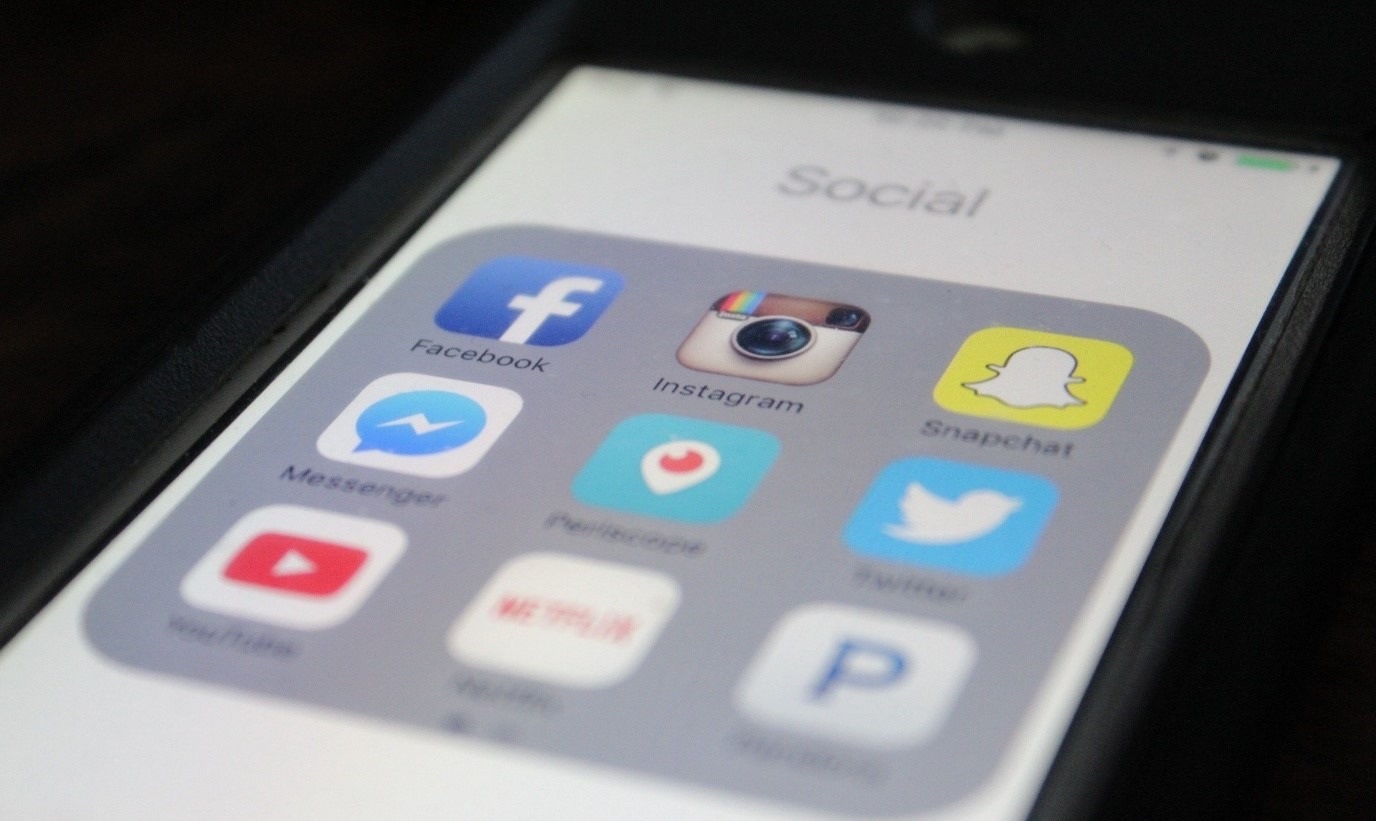
Hashtags started on Twitter, but they’re obviously very popular on other social networks too. On Instagram, they have an extra function: complementing photo captions and helping you discover new profiles or gain followers.
– Marketing campaigns.
Many major brands on Twitter create hashtags to drive campaigns and promote events around them. If you’re going to create a hashtag around what you offer, check that it hasn’t been used before and include it in all your promotional materials to encourage your followers to use it. One example from Coca-Cola’s many campaigns: #ShareACokeWith
– Privacy.
Whatever platform you use, keep in mind that a hashtag’s visibility depends on the account’s privacy settings. For example, if a user uses a hashtag and their Twitter account is private, only people allowed to see their tweets will see their hashtags. The same goes for Instagram and Facebook.

– Using keywords.
When you choose a hashtag, make sure the keywords are specific, actually serve the purpose you need and are relevant to the topic. Going back to the Santiago, Chile example, #Santiago doesn’t work, since it covers many other topics that have nothing to do with the accident. In that case, tags like #SantiagoTragedy or #SantiagoAccident would be ideal, to name a few.
– How many to use.
It’s not a good idea to use more than 2 or 3 hashtags in a tweet or Facebook post, since too many can look like spam. Instagram allows more tags, since they help users sort images by topic, location, feelings or mood. But that doesn’t mean you should overdo it, since using too many isn’t well received either. The recommended number is between 7 and 11.
– Give context.
It’s essential to give context to any message that uses hashtags so people understand what you mean. A message made only of hashtags is useless, confusing and unappealing, and it adds nothing to the conversation around a topic.
Using hashtags involves many aspects that help us better understand how communication works on social platforms. Still, they’re mostly used to mark keywords and/or trending topics on Twitter, Facebook, Instagram, Pinterest, YouTube and even Google+.
Whatever platform you use them on, they help enrich conversations. Despite their well-known function, importance and purpose, people still make mistakes with how they use them and what they mean, so it’s worth keeping these rules in mind to use them well.