Content is the single most important factor in boosting your website’s SEO and conversions.
Without an engaging content strategy, you’ll struggle to grow traffic, keep visitors around and turn leads into paying customers.
Everyone’s talking about content marketing these days. It seems like everyone is creating more and more of it, but not many people are actually seeing the results they want.
A lot of that comes down to the format they use for their content.
To get the biggest impact from this strategy, you need to choose the right types of content for your audience. Here are the 9 types that will boost not only your SEO, but also your website’s conversions:
1. Blog posts
A timeless format for online media, where people can easily consume all the content you’ve created.
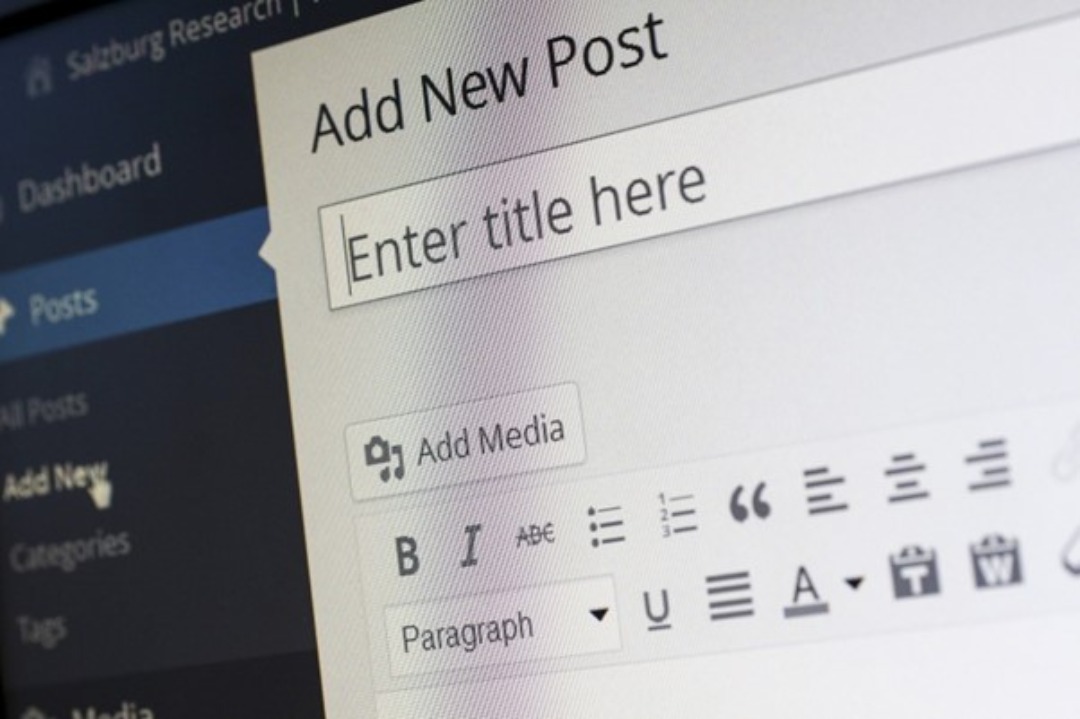
A blog is a very popular marketing tool for a website.
Posts are the most common type of blog content, and they serve several purposes: they let you add fresh content to your website regularly, which increases user engagement every day.
2. Case studies
There’s no doubt case studies are powerful. They don’t just spark readers’ interest; they’re also a great way for brands to build trust and show what their company can offer.
Simply put, case studies let you show what your brand can actually do and what problem it can solve.
A good case study isn’t just a collection of impressive stats and a few photos of happy customers. It has to tell a story, and through that story, earn the trust of the potential customer looking for what your brand offers.
3. Emails
Whether you’re looking for ways to optimize customer interactions or increase social media engagement, email is clearly the best solution.
Plan your campaigns ahead of time and make your product appealing to your customers so they keep coming back for more. Then offer it through email with precise segmentation.
4. Product descriptions
When they’re done right, product descriptions can be one of the most effective SEO techniques, helping your site show up in more searches and driving conversions.
To get there, they need to clearly describe every detail of your product so they convert well.
Unlike other parts of the page, Google uses the content in your product descriptions to index your page. That makes them very important for marketers, since their quality drives the page’s visibility in search results.
5. Metadata
Metadata doesn’t always get much attention from writers and creatives.
But it’s a simple way to make sure a creative piece, whether a book, an article or a website, stands out among the flood of information search engines receive every day.
Metadata is simply data about other data, and it can include information like the author’s name, keywords, a description and much more.

6. Social media posts
To reach your sales or conversion goals, you need to create content that’s useful and necessary for your potential customers.
On social media, you can publish content that not only adds value but also drives more traffic to your website.
7. E-books
E-books are an effective content marketing tool. They draw people in by giving readers trustworthy information they wouldn’t find elsewhere.
Creating an e-book also lets you earn organic subscribers in exchange for information, subscribers you can then nurture with an informative email sequence, for example.
8. Video scripts
There’s a reason web video is booming like never before. It’s the best way to explain things, and to explain them quickly.
And today, every company wants to explain its services or products quickly and concisely.
Video scripts can help you pin down your ideas, or inspire new ones. Whether you’re scripting your next web video, a tutorial, a blog post, a whiteboard animation or a live presentation, you’ll have a powerful resource for keeping your audience hooked.
When you write or structure your script, remember to:
– Use short sentences and words that are easy for future viewers to understand.
– Include calls to action throughout the script so people know exactly what you want them to do once they finish watching.
9. Website content (web copy)
Your website needs good web copy to attract and convert potential visitors.
Combining technically flawless content with persuasive copy will do wonders for your search engine optimization and for your conversions too.
Make sure your web copy:
– Highlights the most important message or quality of your product or service.
– Includes a clear call to action.
– Uses just enough graphics to strengthen the message you want to get across.
The key to improving your website’s SEO and conversions is writing content that’s valuable to your target audience.
And the best way to do that is to follow the lead of other sites in your niche: content that guides readers to the right answer, not just any answer.