Today there are many technological advances set to revolutionize the world as we know it. From new, innovative concepts to new practices, technology keeps aiming to change our lives.
One of those changes is the rise of augmented reality. You’ve probably heard this term, along with virtual reality, but what does each one mean? How can you apply them to everyday life? Could they be used as tools in a digital marketing strategy?
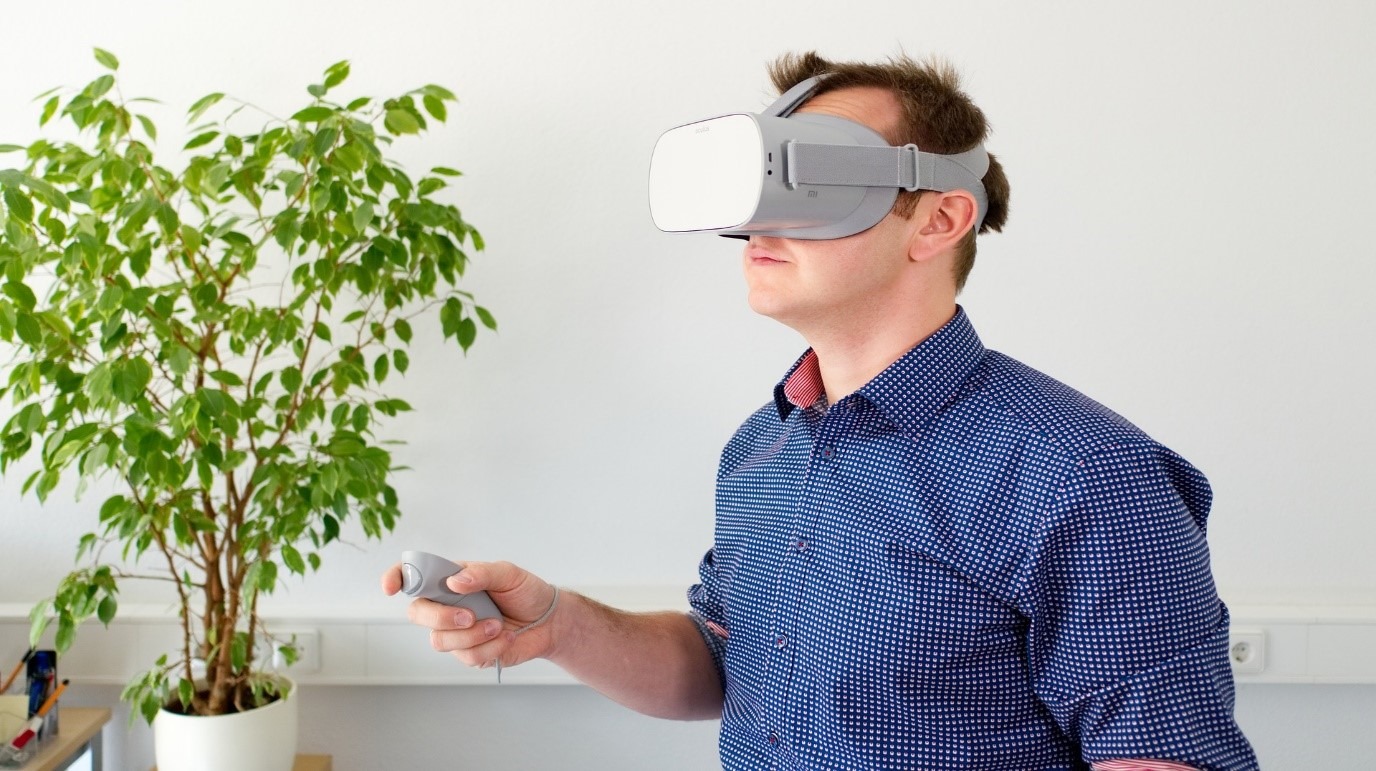
Before diving into the answers, let’s explain each of these “new” concepts. Augmented reality is a technology that blends the real world with the digital world. Virtual reality, on the other hand, is an artificial replica of a real or imaginary environment that gives users the feeling of actually being inside it.
This technology, which lets you interact with every physical element of the environment where it’s used, has many advantages. But how do you get the most out of it? Here are some tips for getting the biggest benefit from augmented reality:
1. Increase online sales.
It makes new ways of presenting products possible, like virtual fitting rooms. These apps let consumers try a product in an almost real way before buying it. Augmented reality adds a lot of value to the shopping experience. On an e-commerce site, for example, it can create interactions between customers and sellers that wouldn’t have happened on their own
2. Significantly improve your content.
It enriches the real world with useful, valuable information, offering cultural, safety and time-saving benefits. Used this way, it delivers extra real-time information in a specific position or environment without users having to look for it.
3. Strengthen your brand image.
Because it lets people interact with both the real and the virtual world, it’s very useful for gaining presence and visibility. By taking advantage of this trend, a brand, company, service or product can attract new audiences and retain current customers. There are several options for using this technology this way, which you’ll need to weigh based on your goals and available budget.
4. Interactive catalogs.
This tool takes product samples to the next level. Customers won’t just see them on paper or on screen; they’ll be able to make them interact with the space around them. A common example is seeing how a piece of furniture looks in your living room.
5. Tourism promotion.
Using geolocation tools, people can stand in a place and, with whatever mobile device they have on hand, get relevant information about it, like monuments or historical events. As a strategy for attracting tourists, it’s a guaranteed success. It’s interactive in real time, so any change, action or response from the user has an immediate effect on the scene recreated with this tool.
6. Augmented reality stores.
It gives you information and perspective on the products in a store, and even lets you better visualize what caught your eye, using all three dimensions to make it feel physically present in its surroundings. It’s a very innovative way to boost traffic to online stores and visits to physical stores. It also lets you see what’s inside a box without opening it. Lego currently uses this technique, with a code on every package.
7. Real estate projects.
This tool is context-dependent: the information it adds can relate directly to what we see with our own eyes. Here, the technology offers a big benefit by letting customers interact with available real estate projects. It helps them get the information they want and see every part of the project in great detail. Many brands in this industry already use it as their main tool for showcasing their services and products.
Augmented reality is a technology that overlays images generated by computers, smartphones, tablets or special headsets onto what’s happening in real time, so users get a better perception of reality. These tips are meant to help you get the most out of it in different kinds of uses.
There are also different types of augmented reality, depending on the end goal and, above all, the real-world elements used during the experience. In that sense, the types are based on images, spaces and places.
Augmented reality: the innovation of the future.
This technology is clearly here to stay. It’s a major innovation that’s still improving and evolving, but it’s already shaping up to be one of the most widely used tools in the not-too-distant future, so it’s worth getting to know it in depth now.
With augmented reality, the virtual world weaves into the real world in context, always with the goal of helping us better understand everything around us. For example, a doctor can see a patient’s vital signs while operating, a tourist can use their camera to find points of interest in the city they’re visiting, or a technician can do maintenance in an engine room while getting real-time information on where each component is. That’s exactly the future we’re heading toward.